
Bitcoin mining in Paraguay faces the end of cheap electricity
Paraguay wants to end cheap electricity contracts for Bitcoin miners. The growing demand for electricity from AI data centers is putting pressure on the sector.
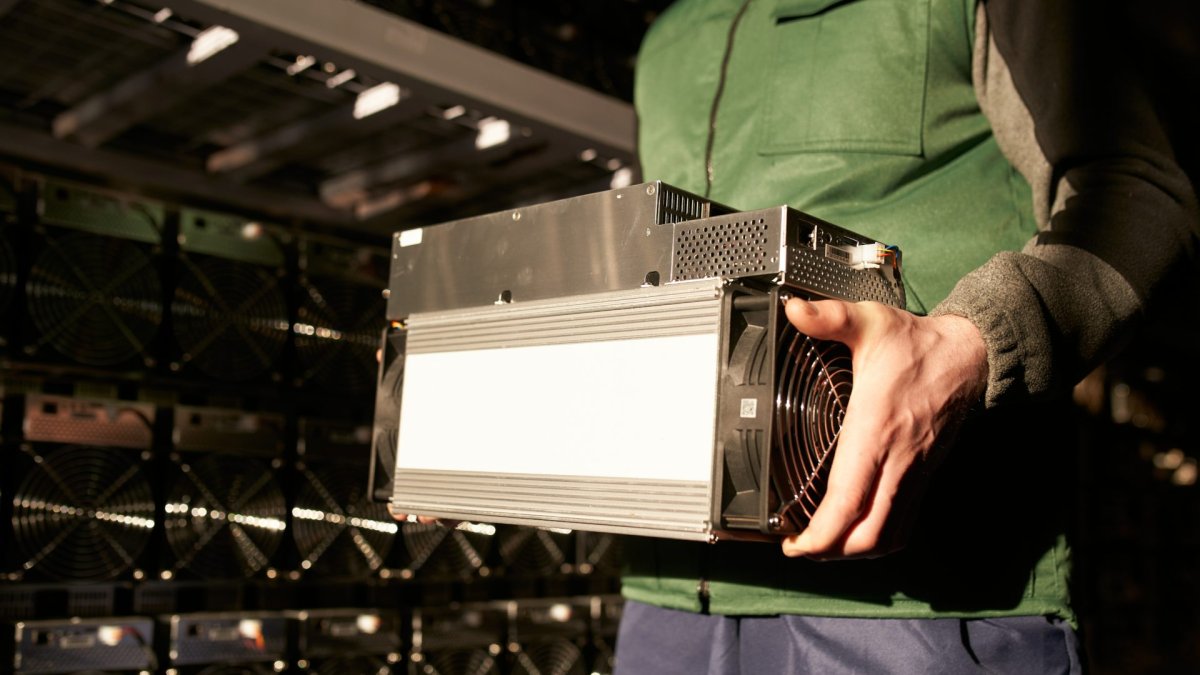
Thanks to cheap hydropower, Paraguay has grown into one of the world’s largest countries for Bitcoin mining. But that position is under pressure. The country plans to discontinue special electricity contracts for crypto companies by the end of 2027, while AI data centers are entering into long-term agreements.
For large Bitcoin miners like HIVE Digital Technologies, this could have significant financial consequences. The company risks losing tens of millions of dollars extra on electricity each year.
Thanks to the enormous Itaipu Dam on the border with Brazil, Paraguay has large amounts of inexpensive electricity. This has attracted foreign companies that mine Bitcoin (BTC) in recent years. Their computers are constantly performing calculations to secure the network and earn new Bitcoin.
According to data from the Hashrate Index, Paraguay accounted for about four percent of the global computing power for Bitcoin mining in the second quarter. This placed the country in fourth position.
Bitcoin miners currently pay around $44 per megawatt-hour. This is expected to generate around $350 million for the state-owned energy company ANDE this year. Nevertheless, the energy company intends to let all special contracts expire on December 31, 2027.
The main reason is the growing demand for electricity. According to ANDE, domestic electricity consumption will increase by almost eight percent per year until 2027. In addition, AI companies want to build large data centers, which also consume enormous amounts of energy.
There is a lot at stake for HIVE Digital Technologies. The publicly traded company has two large mining sites in Paraguay, with a combined power capacity of approximately 300 megawatts. At the end of April, approximately 77 percent of its operational mining capacity was located in the country.
According to the annual report, both energy contracts will expire at the end of 2027. HIVE will then need to enter into new agreements in order to continue its operations.
A group of ANDE engineers has proposed making up to 700 megawatts available to Bitcoin miners and AI data centers combined, starting in 2028. This power would be allocated through an auction, with a minimum price of $56 per megawatt-hour.
That would represent a significant restriction. Bitcoin miners have already secured around 944 megawatts of power capacity. If the proposal goes ahead, they will therefore have to make do with less electricity and, moreover, share it with AI companies.
The costs can also escalate significantly. According to calculations by CoinDesk, HIVE's annual electricity bill could rise from around $140 million to $178 million. That’s an increase of $38 million per year. The calculation is based on an estimate that HIVE itself has not confirmed. Moreover, the engineers' proposal has not yet been approved.
While Bitcoin miners are facing uncertainty, a major AI project has already secured a long-term power contract. On October 22, the Paraguayan state energy company ANDE entered into a fifteen-year agreement with Kuntur, a company involved in the planned AI data center project Iguazú AI City.
The contract provides for up to 286 megawatts of power capacity. Depending on the connection, the electricity price ranges from approximately $49 to $56 per megawatt-hour and is adjusted annually.
The data center is part of a much larger project, which involves, among others, the investment company Araico. The plans include an AI campus worth twelve billion dollars. This creates direct competition between Bitcoin miners and AI companies for the same cheap electricity.
HIVE is also responding to the growing demand for computing power for AI. Through its subsidiary BUZZ HPC, the Bitcoin miner now also offers cloud services for artificial intelligence.
For now, it remains unclear how much power the Bitcoin sector will be able to retain after 2027. ANDE has received applications for thousands of additional megawatts, while the rules for the proposed auction have yet to be established.