
Bitcoin catches a break from falling oil prices, but OPEC+ raises new Fed concerns
Gasoline drove most of September's monthly CPI rise, while persistent oil constraints could delay financing relief for Bitcoin. Read the full story on CryptoSlateUnderstand the crypto stories that matter and what to watch next. Get The Catalyst in your inbox
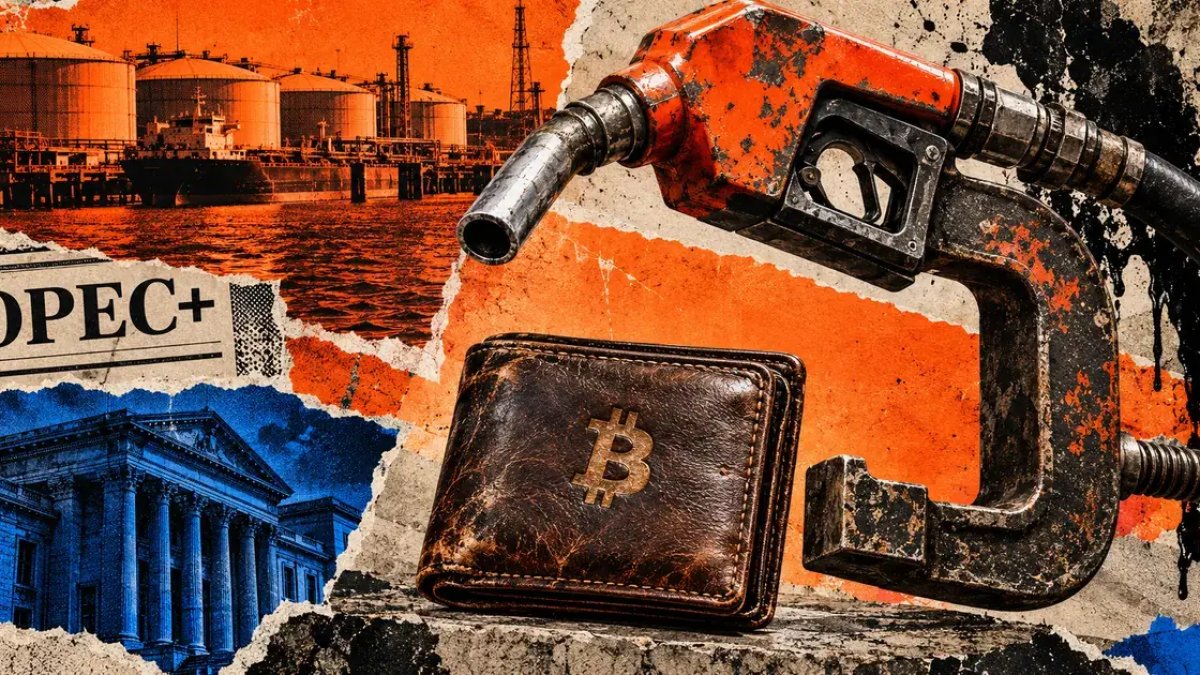
Bitcoin's recovery faces another inflation test after OPEC+ held December oil production targets steady amid persistent Middle East supply disruptions.
Data from CryptoSlate shows that the cryptocurrency climbed around 1% to approximately $78,724 early Monday, recovering modestly from last week's market turmoil as falling oil prices and a weaker dollar offered some relief to risk assets.
Brent crude declined about 3% to $110 a barrel after trading above $114 on Friday, while the dollar index slipped 0.5% to 101.45. The moves offered Bitcoin a reprieve from two pressures that have complicated its recovery: expensive energy and restrictive US financial conditions.
However, the Nov. 1 OPEC+ decision threatens to prolong that uncertainty.
Seven producers, including Saudi Arabia and Russia, maintained September production targets through December, declining to announce additional increases despite months of disruptions to Middle Eastern exports.
The decision leaves Bitcoin exposed to renewed inflation pressure if oil shipments remain constrained, potentially reinforcing the Federal Reserve's reluctance to loosen monetary conditions.
That risk has become more pronounced after the central bank raised interest rates in September and subsequently held them at 3.75% to 4% on Oct. 28, with two policymakers voting for another increase.
Bitcoin's immediate outlook now partly hinges on whether the latest retreat in crude prices develops into sustained relief for US inflation.
The Bureau of Labor Statistics reported that gasoline prices surged 9.1% in September, accounting for more than half of the month's 0.6% increase in consumer prices. Annual inflation reached 3.7%, while core inflation stood at 2.6%.
Another energy-driven inflation surprise could strengthen expectations that borrowing costs will remain elevated, restricting the liquidity and risk-taking appetite that support cryptocurrency valuations.
An IMF study previously found that US monetary tightening depresses crypto prices through reduced investor risk-taking, a relationship that has strengthened with institutional participation.