
Binance unlocks 20x BlackRock IBIT ETF trades with a weekend catch
The USDT-settled perpetual gives eligible traders exposure to IBIT while Nasdaq is closed. Binance’s mark price can still trigger liquidation. Read the full story on CryptoSlateUnderstand the crypto stories that matter and what to watch next. Get The Catalyst in your inbox
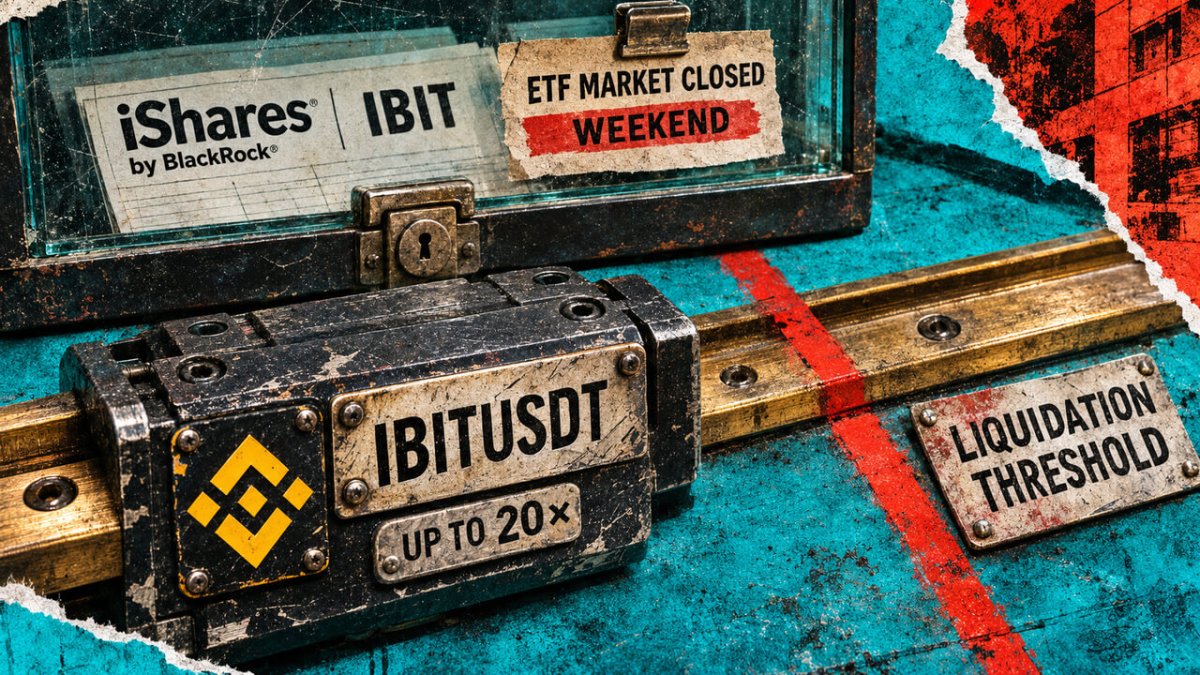
Binance Futures added a perpetual contract tied to BlackRock’s iShares Bitcoin Trust ETF (IBIT) on Nov. 18.
The contract (IBITUSDT) gives eligible traders round-the-clock exposure to the Nasdaq-listed fund, settles in Tether’s USDT, and offered up to 20x leverage at launch.
Binance set the opening for 09:45 UTC in a listing notice, and the exchange’s public futures ticker recorded trades after the scheduled opening. The contract keeps trading after the fund’s market closes, and Binance’s mark price can still move far enough to trigger liquidation.
Traders can take a position on IBIT's rise or fall without owning its shares or Bitcoin, as the fund seeks to reflect Bitcoin's price.
Binance’s TradFi FAQ lists the UK, Hong Kong, Taiwan and some European Economic Area countries as common examples of restricted markets for these products. The 20x figure is the launch ceiling, and Binance’s margin rules set lower leverage ceilings for larger positions.
Related ReadingThe price index is Binance’s reference for the underlying and helps feed the mark price, the estimate the exchange uses to determine whether a position has reached its liquidation threshold.
During regular equity trading, Binance builds its reference index from third-party price quotes. It smooths those quotes during premarket and after-hours trading, then gives new quotes less weight during the overnight session, according to Binance’s pricing methodology.
On weekends, holidays, and during covered maintenance periods without those quotes, Binance looks to the futures order book, where traders place buy and sell orders for the perpetual.
It averages two measures from that book, the impact bid and impact ask, then smooths the result by giving more weight to recent readings. The index can keep moving while the ETF’s last share price stays where trading left it.