
Alphabet borrows tens of billions for AI race: threatens new bubble?
Alphabet lends billions worldwide for artificial intelligence, while investors are wondering if this AI race could lead to a new bubble.
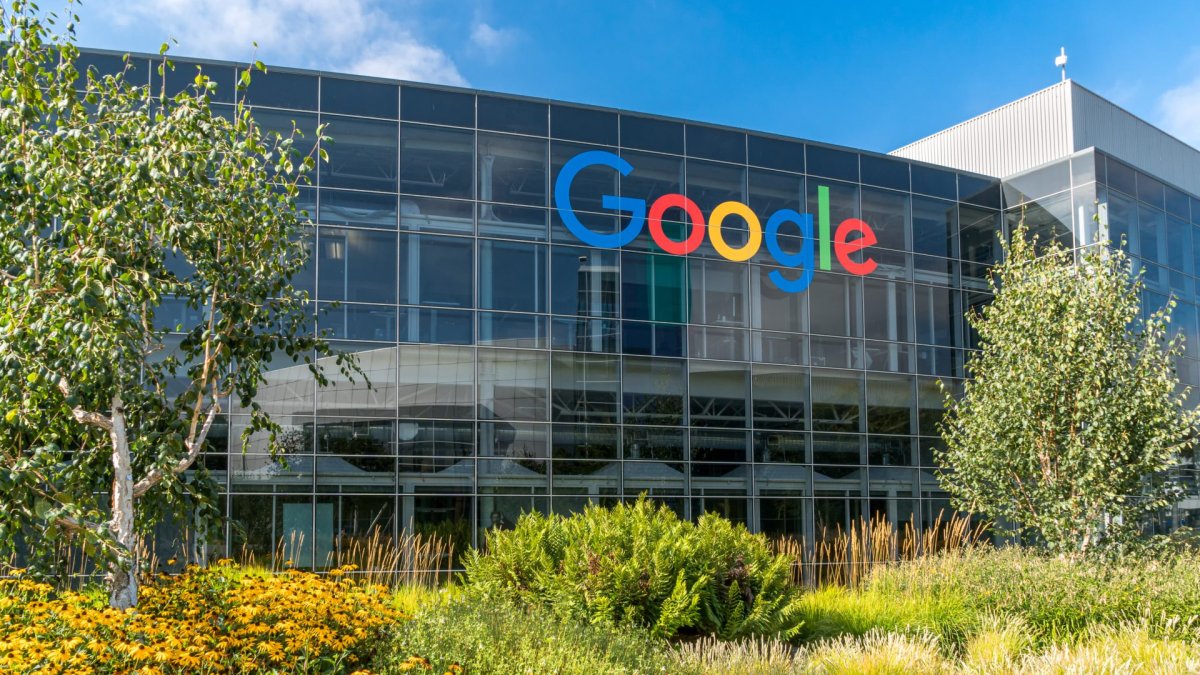
Alphabet, the parent company of Google, is committed to winning the battle for artificial intelligence. The technology group raises tens of billions of dollars worldwide through the bond market to finance its unprecedented investments in AI. This capital urge is increasingly raising the question among investors as to whether a new financial bubble is emerging here.
According to sources surrounding the deal, Alphabet wants to raise twenty billion dollars through a US bond issue. That is considerably more than previously expected. At the same time, the company is exploring the bond markets in the UK and Switzerland for the first time.
In London, a centenary bond is even being looked at, something that has hardly happened to technology companies since the dot-com bubble.
Alphabet recently announced plans to invest up to $185 billion this year. That amount mainly goes to data centers and infrastructure needed for AI models. It's more than the company has spent in the last three years combined.
According to Alphabet, those investments are already starting to pay off. AI drives more searches and higher ad revenue. Nevertheless, concern is growing in the financial markets. Not only Google, but also Amazon, Microsoft and Meta are rapidly increasing their spending. Together, these companies would move towards $650 billion in investments by 2026.
A large part of that expenditure is financed by debt. Alphabet's dollar loan attracted more than one hundred billion dollars in investor interest. The terms vary well into the future. The longest bond will continue until 2066.
Alphabet isn't the only one. Oracle recently raised $25 billion with a bond that received record demand of $129 billion. Banks expect large tech companies to collectively borrow about $400 billion this year. Analysts warn that this could lead to higher interest rates on corporate bonds.
Some strategists draw parallels with earlier periods of extreme investment urge, such as the late 1990s and mid-2000s. According to them, this does not immediately mean an imminent crisis, but that credit markets may come under pressure.
For investors in high-risk markets, such as equities and crypto, this is relevant. Large shifts in liquidity and interest rate expectations often also have an impact on the Bitcoin price and broader financial markets. Especially now that AI is seen as a technology that can radically change the global economy.