
After $6.3 billion Binance hack, South Korea considers tougher rules
South Korea is considering tougher crypto rules after the Binance hack. Scholarships may need to keep 99 percent offline, but that can delay withdrawals for customers.
South Korea is considering sharply tightening security requirements for crypto exchanges after the massive hack at Binance. Regulators are investigating whether trading platforms should now store almost all customers' crypto coins offline. This should prevent new thefts, but can also cause problems for investors who want to withdraw their crypto quickly.
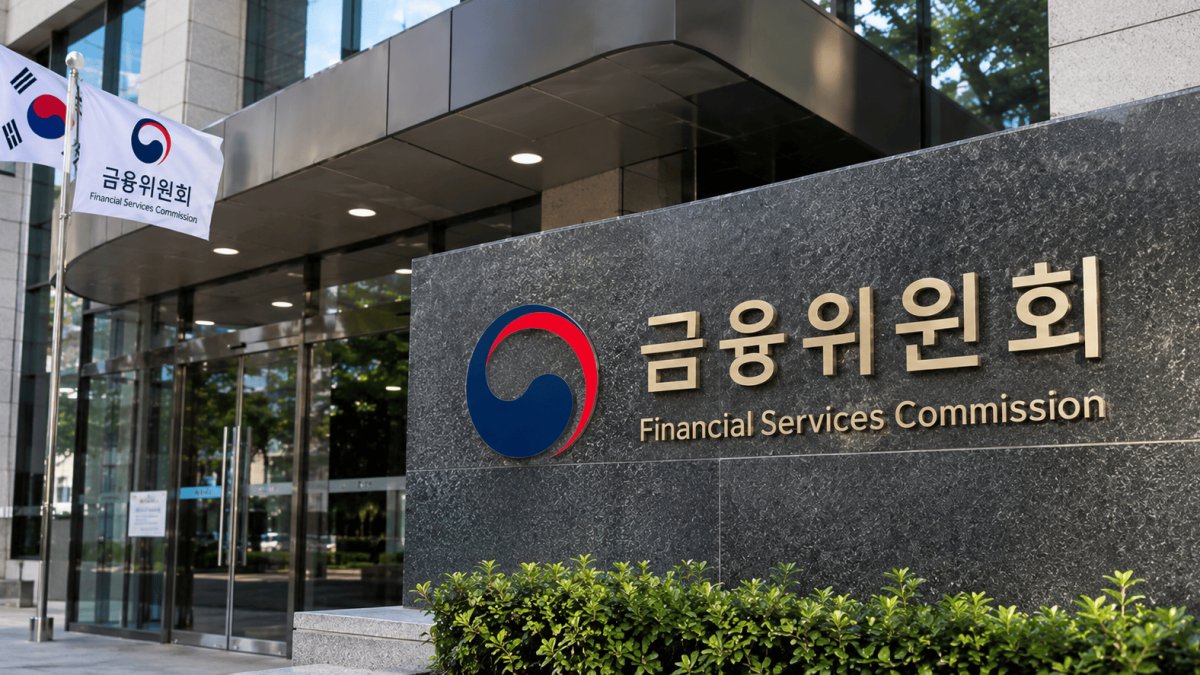
The South Korean Financial Services Commission (FSC) held an emergency meeting on Monday with major crypto exchanges and companies that hold digital assets.
The reason for this was the attack on Binance on 29 October, in which hackers took about 6.3 billion dollars in crypto coins.
According to current South Korean law, crypto exchanges must store at least 80 percent of customer funds in so-called cold wallets. These digital wallets are not directly connected to the internet and are therefore better protected against attacks on online systems.
According to local media reports, there is now talk of an increase to possibly 99 percent. Some large trading platforms already use that percentage. A final decision has not yet been made.
Storing crypto coins offline also has disadvantages. When customers want to withdraw funds, exchanges sometimes first need to make funds available from their offline storage. This requires additional security checks and can cause delays. Smaller crypto exchanges in particular can struggle to keep enough money readily available.
In August, the South Korean stock exchange Bithumb already experienced this problem. Withdrawals of certain altcoins were delayed by about thirteen hours because there were not enough crypto coins available in the online wallets. This can be detrimental if the Bitcoin price or other crypto prices fall rapidly and investors want to move their assets.
The Binance hack has also raised questions about internal security procedures. CoinEx founder Haipo Yang pointed out, among other things, possible shortcomings in the separation of computer systems, additional access security and the independent approval of transactions.
The US FBI has now attributed the attack to the North Korean hacker group TraderTraitor. North Korea denies involvement.
The South Korean regulator is therefore investigating not only stricter rules for offline storage, but also improvements to access rights, withdrawal procedures and financial reserves of crypto exchanges.