
After 45 years, Kevin Warsh changes the rhythm of the Fed
Fewer interest rate decisions and more strategy: Warsh announces one of the biggest changes at the Fed in decades. Here's what's behind it.
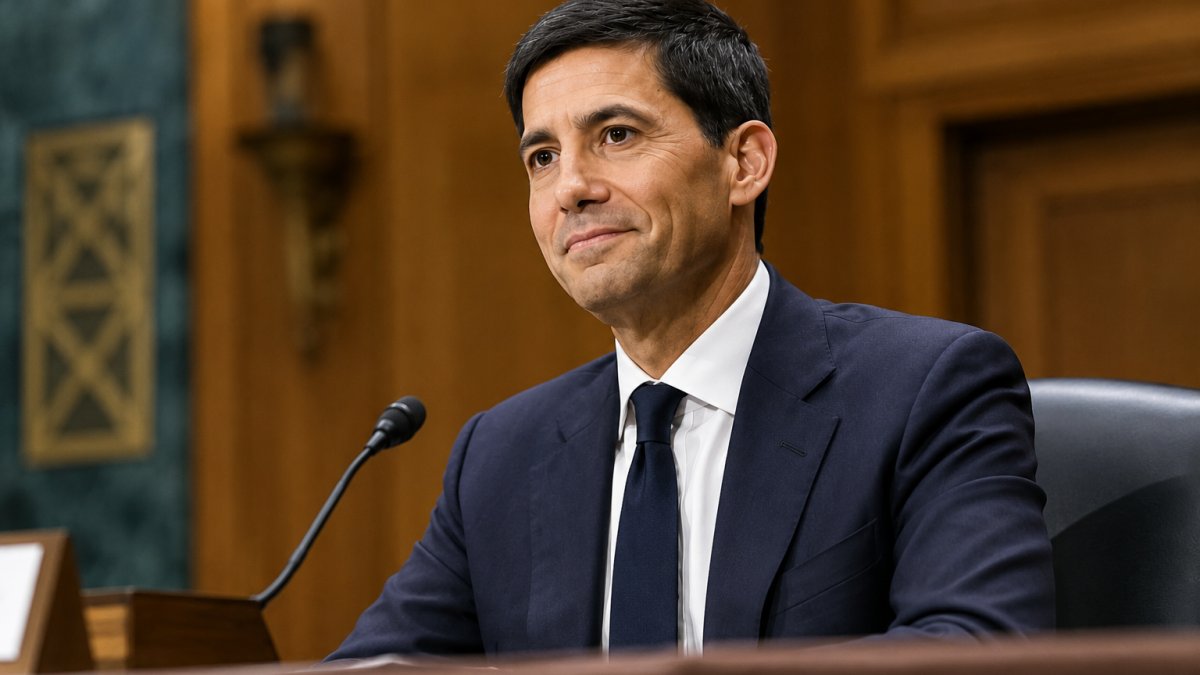
The US central bank is less likely to decide on interest rates. Fed Chairman Kevin Warsh frees up some of the Fed's meetings for the long term.
He wants the Federal Reserve to look less at the delusions of the day and thereby breaks with a fixed agenda that investors have been following for decades.
Warsh announced the plan at his press conference last night. The Fed continues to meet eight times a year, but from the autumn of 2027, one meeting will be all about the broad strategy.
At that meeting, the Federal Open Market Committee (FOMC), the committee that sets the interest rate, does not vote on the interest rate. There will also be no policy statement.
Warsh expects two of those strategy meetings in 2028. That leaves six interest rate decisions per year, a quarter less than now. That's a big change, because the FOMC has held eight regular meetings a year since 1981.
According to Warsh, fixed interest rate decisions remain necessary to properly monitor the short term. “But it's just as important that we as an intellectually diverse group free up time and space for strategic consultation, to rethink big questions and look further ahead,” he said.
The idea is not new. In 2014, Warsh examined the Bank of England's working methods, after which the British central bank went from twelve to eight meetings a year.
After the first interest rate hike in more than three years, the Fed is now taking a look at the cat out of the tree. The US central bank held the interest rate at 3.75 to 4 percent last night, although that decision was not unanimous. Ten members voted for a break, while two policymakers wanted to raise interest rates again.
According to Warsh, inflation is still too high, but he does see progress. “The overwhelming consensus is that the monetary medicine is starting to work,” he said of his approach since taking office in May.
Since September, borrowing has become more difficult for companies and households. “And while overall financial conditions are tighter, I'm unwilling and unable to call them tighter,” Warsh said.
For a next step, the Fed wants to see more information first, and the first important insights will come this afternoon when the PCE Price Index is released. That's the central bank's favorite inflation meter.
Download the Newsbit app and get an instant push notification after the numbers.
Not everyone is convinced. According to Kevin Flanagan, head of investment strategy at WisdomTree, the bond market wonders “why hold eight meetings when one of them doesn't have a public announcement.”
Long-term US Treasury yields rose after Warsh's pronouncements. According to Flanagan, investors fear that the market will become more turbulent if the Fed decides on interest rates less often.
There is then more time between two decisions, which means that investors have to guess longer about the next step of the central bank.
In addition, Warsh has already shortened the policy statement and no longer provides forward guidance, so no outlook on interest rates and the economy. Investors are therefore looking more in the dark and want to be paid for it.
On the short side of the market, it was the other way around. The interest rate on two-year government bonds, which mainly follows the expectations for the Fed rate, fell sharply. Investors are therefore counting on a slightly less strict central bank.
Nevertheless, an interest rate hike remains on the horizon. For the December meeting, an overwhelming majority of the market is still betting on a step up. More details about the new meeting schedule will follow later.