
AFM warns: it's not a question of if, but when a cyberattack will occur
The AFM warns of cyberattacks on banks and crypto platforms. Crypto fraud and billions in inheritances also increase the risks.
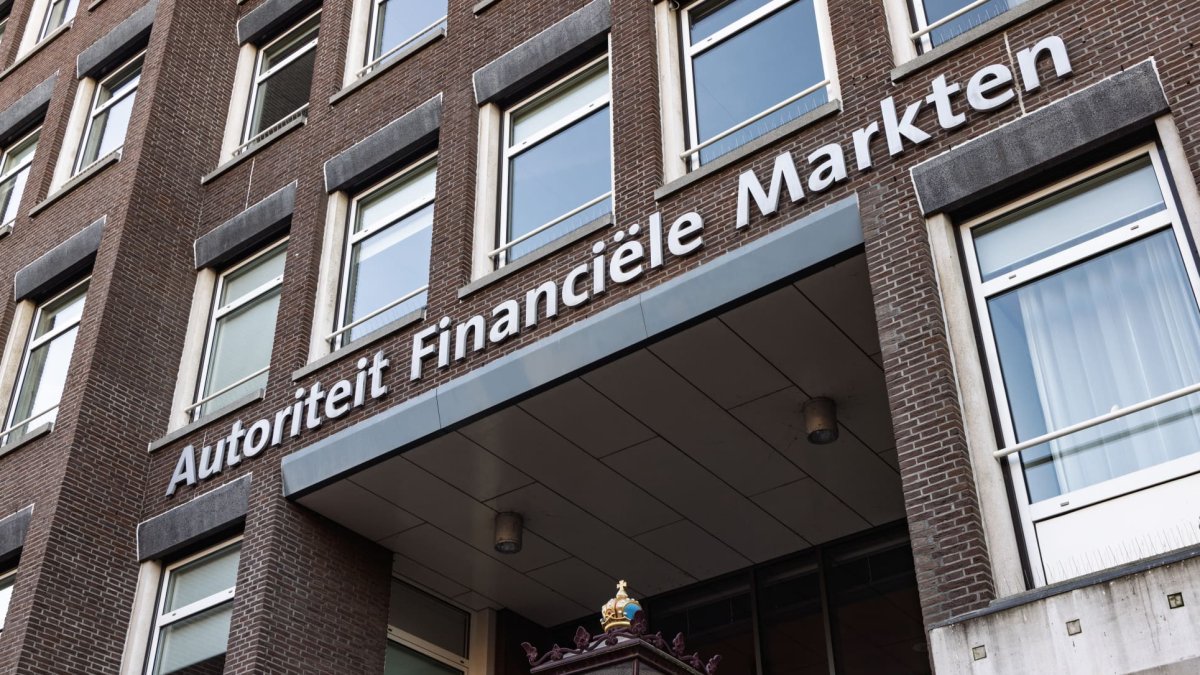
The Dutch financial sector faces an increasingly high risk of a disruptive cyberattack. The Netherlands Authority for the Financial Markets (AFM) warns that hackers can target not only banks, but also trading platforms and other financial institutions. At the same time, the regulator is concerned about the crypto market, high levels of debt and consumers' vulnerability to financial fraud.
The warnings are contained in the Trend Outlook 2027 report, which the AFM published on November 10. In it, the regulator describes how geopolitical tensions and new technologies threaten the stability of the financial system.
Financial institutions are attractive targets for cybercriminals. They manage enormous financial flows, hold sensitive personal data and are heavily dependent on digital systems. A successful attack can therefore have repercussions far beyond a single affected bank.
AFM Chair Laura van Geest warns that the sector must prepare for serious disruptions. “The question is not whether the financial markets will be affected by a cyberattack, but when and how,” she says.
According to the regulator, the threat does not come solely from criminals trying to steal money. Foreign governments also use digital attacks to achieve geopolitical goals. Artificial intelligence also makes it easier to identify and exploit vulnerabilities in security systems.
The scale of the problem is evident from figures provided by the European Cybersecurity Agency, ENISA. Between January 2023 and June 2024, 488 cyber incidents in the European financial sector were publicly reported. Of these, 301 affected banks.
An additional risk is that financial institutions often use the same technology companies. For example, banks, trading platforms and organizations that process transactions rely on shared cloud services. When a key supplier fails, multiple parts of the financial system can grind to a halt simultaneously.
The crypto market is also receiving significant attention. Currently, about one in eight Dutch people own cryptocurrencies, while the risks remain significant according to the AFM.
The regulator points to the significant price fluctuations of, for example, Bitcoin (BTC) and other digital currencies. While traditional stock markets have reacted relatively calmly to international tensions, cryptocurrencies have actually shown significant declines in value over the past period.
In addition, technical problems regularly occur at major crypto exchanges. Delays and malfunctions can temporarily prevent investors from carrying out transactions. According to the AFM, such incidents have so far had no clear disruptive impact on traditional financial markets.
Crypto holders also report experiences of fraud more frequently than traditional investors. The AFM therefore advocates stronger and more centrally organized European supervision of the sector.
The regulator also sees vulnerabilities outside the crypto sector. The high valuations of technology companies and the enthusiasm surrounding artificial intelligence could lead to sharp declines in stock markets if expectations are not met.
In addition, global government debt could rise to almost 100 percent of global gross domestic product by 2030. As a result, governments have less financial leeway to absorb new economic shocks.
Another concern relates to the enormous transfer of wealth that awaits the Netherlands in the coming decades. People currently aged 75 and over collectively own approximately 524 billion euros in net assets. Of this, 304 billion euros consists of home equity.
The AFM expects annual inheritances to peak around 2050. As a result, many Dutch people will be faced with important financial decisions, often shortly after the death of a family member.
Approximately two out of three heirs deposit the money they receive into a savings account. At the same time, at least eight out of ten do not engage a financial advisor. According to the regulator, this combination makes heirs vulnerable to scams and misleading investment proposals.
The AFM points to measures that can reduce fraud. Examples include ABN AMRO's family password, which allows customers to verify suspicious phone calls, and ING's "Check the Call" service. A mandatory waiting period when increasing payment limits can also prevent criminals from pressuring victims into transferring large sums of money.